

The Federal Association of Energy and Water Industries (BDEW) and Capgemini presented a study on the risk situation of the hydrogen ramp-up at the E-World in Essen. The analysis shows: All links in the value chain – from production to transport and storage to utilization – are equally affected by investment barriers. Isolated individual measures are therefore not sufficient to enable final investment decisions (FIDs).
Politics must finally act!
The study identifies three key areas: the mitigation of the requirements of the Delegated Act on Renewable Fuels of Non-Biological Origin (RFNBOs), state Contracts-for-Difference (CfD), and the establishment of binding lead markets. The proposed instruments are designed as temporary, ramp-up accompanying measures, according to the study.
“The study shows that it must now be the goal of politics to enable the establishment of complete value chains,” says Dr. Kirsten Westphal, member of the executive management at BDEW. The current hurdles are too high, and the risks for companies are hardly bearable at the beginning.
From a systemic perspective, it would be more sensible to use synergy effects in the energy system rather than exclusively building new production facilities for hydrogen production. In addition, state Contracts-for-Difference (CfD) are necessary during the ramp-up phase to close the existing cost gap between renewable or low-carbon hydrogen and fossil alternatives. To keep the costs for this within limits, additional state guarantees could help, for example. Additionally, the establishment of binding lead markets is needed to create reliable demand and increase investment security.
Cumulative Uncertainties Exceed Risk-bearing Capacity
Torben Schuster, Head of Energy Transition & Utilities at Capgemini Invent, adds: “The cumulative uncertainties simply exceed the risk-bearing capacity of the companies.” The study shows why many projects do not reach the final investment decision. The greatest need for action is in financing, off-take agreements, and regulatory stability.
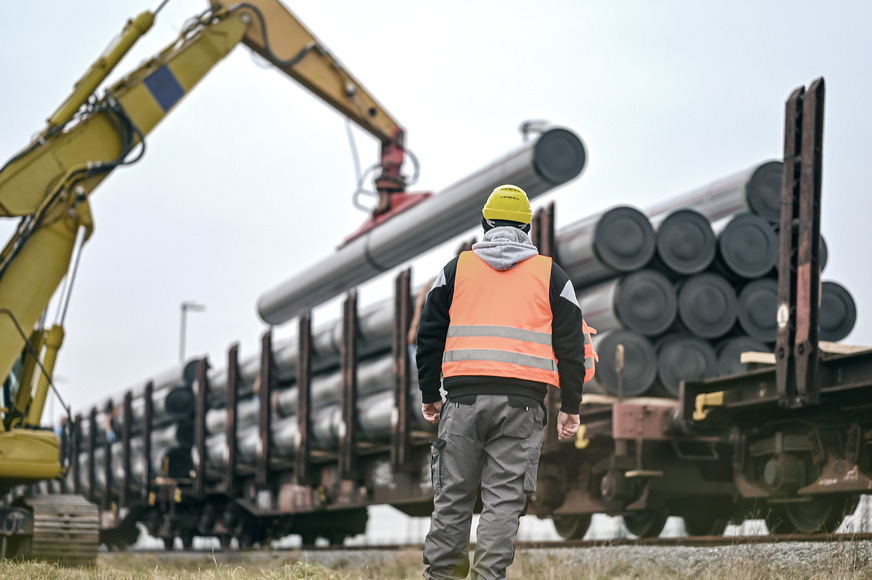
As a practical representative, EWE participated in the study. “The hydrogen ramp-up is currently not failing due to a lack of interest or technology, but due to high risks and a lack of economic security along the entire value chain,” says Dr. Geert Tjarks, Managing Director of EWE Hydrogen. EWE is already investing in integrated hydrogen projects, including the multi-part IPCEI project “Clean Hydrogen Coastline.” However, this is only possible in the early ramp-up phase through targeted funding.
EWE